1776–1976 Bicentennial Quarter Value Guide: The 1776–1976 Bicentennial Quarter is one of the most iconic coins in American numismatic history. Issued to celebrate the 200th anniversary of the signing of the Declaration of Independence, this quarter was part of a special coinage program that included half dollars and dollar coins. With its distinctive design featuring a colonial drummer boy and dual date, the Bicentennial Quarter remains a favorite among collectors. While most examples are common and worth only face value, rare varieties and mint errors have elevated certain coins to extraordinary levels of desirability and value. This guide explores the history, identification, and collector insights surrounding the Bicentennial Quarter, including the rarest varieties that can be worth thousands.
The Bicentennial Quarter Design
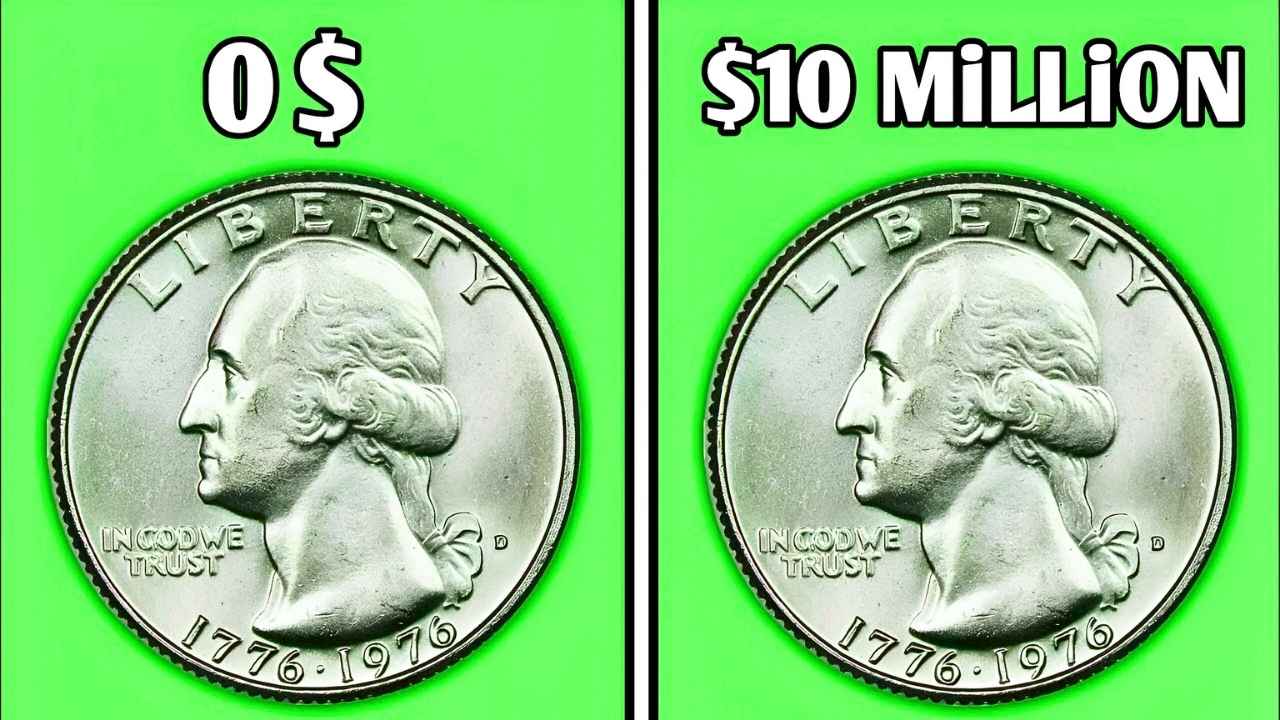
The Bicentennial Quarter replaced the traditional eagle reverse with a design by Jack L. Ahr. The reverse features a colonial drummer boy with a torch surrounded by thirteen stars, symbolizing the original colonies. The obverse retained George Washington’s portrait but included the dual date “1776–1976.” This design was unique to the Bicentennial celebration and was never used again, making the coin instantly recognizable and historically significant. Collectors appreciate the artistry and symbolism that make this quarter stand out from standard issues.
Common Bicentennial Quarters
Billions of Bicentennial Quarters were minted at the Philadelphia, Denver, and San Francisco mints. Circulated examples are abundant and typically worth only their face value. Proof versions and silver-clad issues were also produced for collectors, with the San Francisco Mint striking special sets. These coins are widely available and affordable, making them a popular entry point for new collectors. While common Bicentennial Quarters may not hold extraordinary value, they remain cherished keepsakes of America’s bicentennial celebration.
Rare Varieties and Mint Errors
The true excitement lies in rare varieties and minting errors. Some Bicentennial Quarters were struck on the wrong planchets, such as silver or foreign coin blanks, creating highly valuable anomalies. Double die errors, off-center strikes, and coins with missing elements are also prized. For example, a Bicentennial Quarter struck on a silver planchet intended for another denomination can fetch thousands of dollars. Dramatic off-center strikes or doubled lettering add to the rarity and appeal. These coins are scarce and often discovered only through careful examination or professional grading.

Silver-Clad Bicentennial Quarters
In addition to standard copper-nickel issues, the U.S. Mint produced silver-clad Bicentennial Quarters for collectors. These coins contain 40 percent silver and were sold in special proof and uncirculated sets. While not exceedingly rare, silver-clad quarters are more valuable than their copper-nickel counterparts, especially in pristine condition. Collectors often seek these coins as part of complete Bicentennial sets, and their silver content adds intrinsic value. High-grade examples can command significant premiums in today’s market.
The Myth of the Million-Dollar Bicentennial Quarter
Stories of Bicentennial Quarters worth millions have circulated for years, fueling excitement among collectors and casual enthusiasts. While most Bicentennial Quarters are common, certain rare varieties with unique errors or exceptional provenance have achieved legendary status. The mythical multi-million-dollar valuation is often associated with coins that combine rarity, condition, and historical significance in extraordinary ways. Though such valuations are rare and debated, they highlight the fascination and allure surrounding this iconic coin. For collectors, the possibility of discovering a hidden treasure adds thrill to the hobby.

How to Identify Valuable Bicentennial Quarters
Identifying a valuable Bicentennial Quarter requires careful inspection. Collectors should look for the following features:
- Minting errors such as doubled dies, off-center strikes, or unusual planchet compositions
- Coins in uncirculated or proof condition with minimal wear
- San Francisco Mint silver-clad proofs, which are more desirable
- Unique anomalies that set the coin apart from standard issues
Using magnification and consulting professional grading services can help confirm whether a coin is truly rare and valuable.

The Importance of Coin Grading
Professional grading is essential in determining the value of Bicentennial Quarters. Grading services assess a coin’s condition, authenticity, and rarity. Coins graded at the highest levels, such as Mint State 67 or higher, can command significant premiums. Certification provides assurance to buyers and sellers, making transactions more secure. For collectors hoping to maximize the value of their Bicentennial Quarters, professional grading is a critical step.
Market Value in 2026
In 2026, the market for Bicentennial Quarters remains strong. Common examples are worth modest amounts, but rare varieties and errors continue to attract high bids at auctions. Silver-clad proof versions can sell for tens or hundreds of dollars depending on condition. Exceptional error coins or unique varieties can reach into the thousands. The mythical million-dollar Bicentennial Quarter represents the pinnacle of value, though most collectors will encounter coins worth far less. Still, the potential for extraordinary finds keeps interest alive and vibrant.

Collector Insights
Collectors often view Bicentennial Quarters as more than just currency. They represent a piece of American history and a symbol of national pride. Many collectors pursue complete sets, including proof and silver-clad versions, while others focus on hunting rare errors. The Bicentennial Quarter appeals to both seasoned numismatists and casual hobbyists, offering opportunities for discovery and investment. Its enduring popularity ensures that it will remain a cornerstone of coin collecting for generations to come.
Conclusion
The 1776–1976 Bicentennial Quarter is a coin that blends history, artistry, and numismatic intrigue. While most examples are common and affordable, rare varieties and mint errors elevate certain coins to extraordinary value. From silver-clad proofs to dramatic minting anomalies, these quarters continue to captivate collectors in 2026. The mythical million-dollar Bicentennial Quarter embodies the excitement and allure of coin collecting, inspiring treasure hunters to keep searching. Whether you are a seasoned collector or a curious beginner, the Bicentennial Quarter offers a fascinating journey into America’s past and the thrill of discovering hidden treasures.