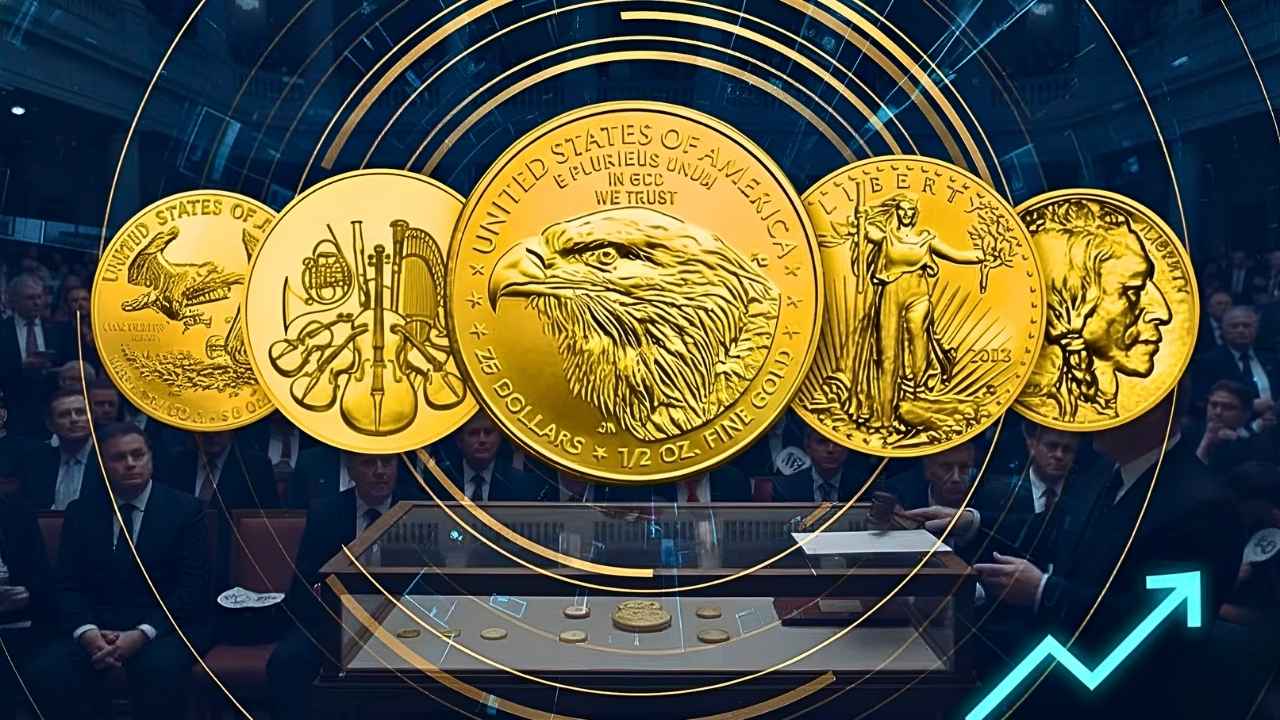
2026 Coin Collecting Guide: Coin collecting has always been a blend of history, art, and investment. In 2026, the market for rare U.S. coins continues to thrive, with certain pieces commanding values that surpass even the price of gold. These coins are not only treasured for their monetary worth but also for the stories they tell about America’s past. For collectors, the thrill lies in discovering coins that are both historically significant and financially rewarding.
Why Rare Coins Surpass Gold
Gold has long been considered a safe haven investment, but rare coins often outperform it in terms of value appreciation. The reason is simple: scarcity and demand. While gold is abundant and its price fluctuates with global markets, rare coins are finite. Once a coin is minted, its supply is fixed, and factors such as historical importance, minting errors, and condition can make certain coins priceless. Collectors and investors alike recognize that rare coins combine tangible value with cultural heritage, making them unique assets.

The 1933 Double Eagle
One of the most famous coins in American history is the 1933 Double Eagle. Originally minted but never officially released due to changes in currency laws, most of these coins were melted down. A few escaped destruction, and today they are among the rarest coins in existence. In recent auctions, a single 1933 Double Eagle has sold for millions of dollars, far exceeding the value of its gold content. Collectors prize it not only for its rarity but also for its connection to a pivotal moment in U.S. monetary history.
The 1913 Liberty Head Nickel
The 1913 Liberty Head Nickel is another legendary coin that surpasses gold prices. Only five specimens are known to exist, making it one of the rarest coins in the world. Its mysterious origins add to its allure, as it was struck under unusual circumstances at the Philadelphia Mint. Each surviving coin has a fascinating ownership history, often involving prominent collectors and dramatic auctions. Today, the Liberty Head Nickel is valued in the millions, a testament to its rarity and enduring appeal.
The 1794 Flowing Hair Dollar
The 1794 Flowing Hair Dollar holds the distinction of being the first silver dollar issued by the United States Mint. Its design features Lady Liberty with flowing hair on the obverse and an eagle on the reverse. Because of its historical significance and limited surviving specimens, the coin is highly sought after. In recent years, examples in pristine condition have sold for record-breaking prices, surpassing the value of gold many times over. Collectors view the Flowing Hair Dollar as a cornerstone of American numismatics.
The 1943 Copper Penny
During World War II, the U.S. Mint switched from copper to steel for penny production to conserve copper for the war effort. However, a small number of pennies were mistakenly struck in copper in 1943. These error coins are among the most famous in American history. Because of their rarity and the intrigue surrounding their accidental creation, 1943 Copper Pennies have sold for hundreds of thousands of dollars, with some examples approaching the million-dollar mark. Their value far exceeds their humble denomination and even the price of gold.

The Role of Condition and Grading
Condition is critical in determining the value of rare coins. Coins are graded on a scale from Poor (P-1) to Mint State (MS-70). A coin in Mint State condition can be worth exponentially more than the same coin in circulated condition. Professional grading services provide authentication and assign grades, which helps collectors and investors feel confident in their purchases. For coins like the 1933 Double Eagle or the 1794 Flowing Hair Dollar, high grades can mean the difference between hundreds of thousands and millions of dollars.
Collecting Rare Coins as an Investment
Coin collecting is more than just a hobby; it is also a viable investment strategy. Rare coins have consistently appreciated in value over time, often outperforming traditional assets like gold. Investors recognize that coins combine historical significance with scarcity, making them unique stores of value. Diversifying a portfolio with rare coins can provide both financial security and cultural enrichment.
Stories of Hidden Treasures
There are countless stories of people discovering valuable coins in unexpected places. From inherited collections to pocket change, rare coins have surfaced in surprising ways. The thrill of uncovering a coin worth far more than its face value adds excitement to the hobby. These stories inspire collectors to keep searching, knowing that treasures may still be hidden in everyday life.
How to Identify Valuable Coins
Collectors can identify valuable coins by paying attention to several details. Mint marks, dates, and unusual features are important indicators. Coins with low mintage numbers or minting errors are especially prized. Using a magnifying glass and coin reference guides can help spot these details. Professional grading services provide additional assurance, helping collectors distinguish between ordinary coins and rare treasures.
The Future of Rare Coin Collecting
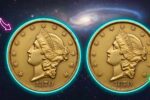
As 2026 unfolds, the future of coin collecting looks bright. Interest in numismatics continues to grow, fueled by both seasoned collectors and newcomers. Rare coins like the 1933 Double Eagle, 1913 Liberty Head Nickel, 1794 Flowing Hair Dollar, and 1943 Copper Penny will remain at the forefront of the market, surpassing gold prices and captivating collectors worldwide. The combination of history, rarity, and value ensures that coin collecting will continue to be a rewarding pursuit for generations to come.
Conclusion
Rare U.S. coins are more than just currency. They are pieces of history, symbols of national heritage, and in many cases, investments that surpass the value of gold. From the legendary 1933 Double Eagle to the accidental 1943 Copper Penny, these coins remind us that treasures can be found in the most unexpected places. Whether you are a seasoned numismatist or a curious beginner, the journey of coin collecting in 2026 offers both excitement and financial reward.