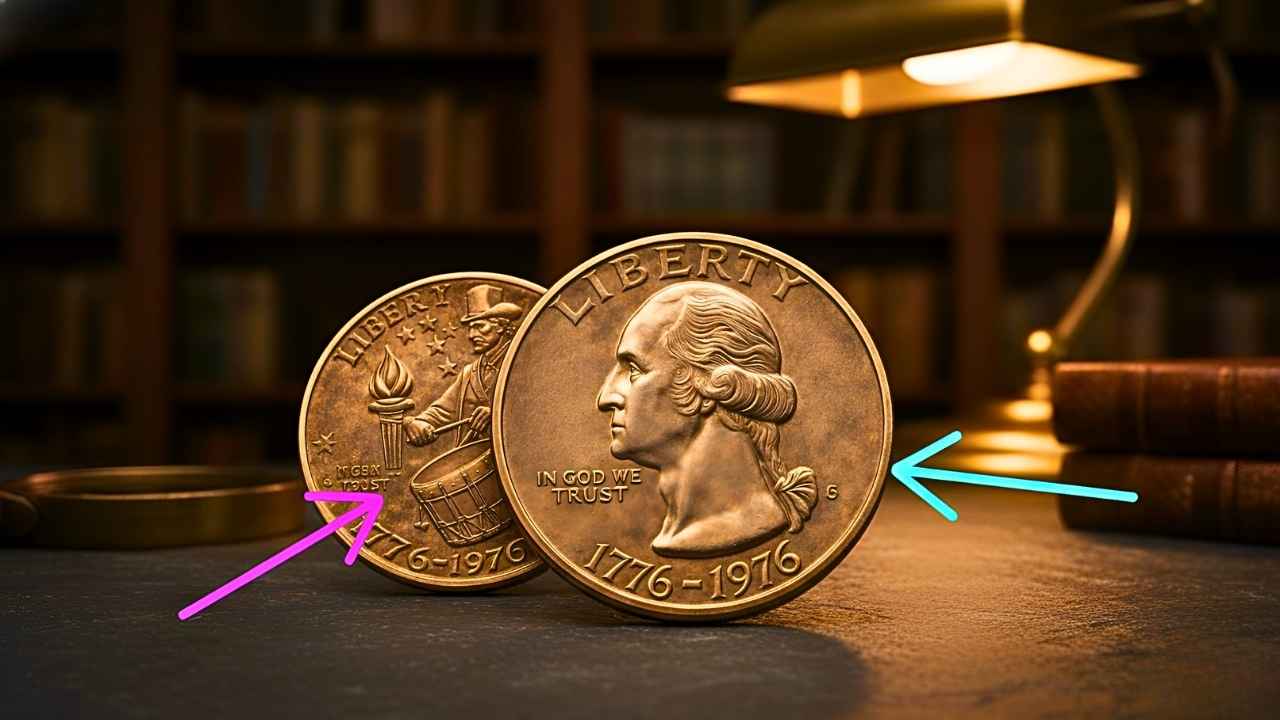
Spotting the $576,000 Lincoln Wheat Penny: Coin collecting has always been a hobby that blends history, art, and treasure hunting. Among the most beloved coins in American numismatics is the Lincoln Wheat penny, first minted in 1909 to honor the centennial of Abraham Lincoln’s birth. Designed by Victor David Brenner, the coin features Lincoln’s portrait on the obverse and two wheat stalks framing the denomination on the reverse. For decades, these pennies circulated widely, becoming a familiar part of everyday life. Yet within this vast production, certain rare varieties have captured the imagination of collectors. One of the most famous is a Lincoln Wheat penny that has been valued at an astonishing 576,000 dollars. Understanding how to spot such a coin requires knowledge of history, minting practices, and the subtle details that distinguish ordinary pennies from extraordinary treasures.
The Story Behind the 1943 Copper Penny
The most celebrated Lincoln Wheat penny is the 1943 copper penny. During World War II, copper was a critical material needed for ammunition and military equipment. To conserve resources, the United States Mint switched the composition of pennies from copper to zinc-coated steel in 1943. However, a small number of copper planchets left over from 1942 were accidentally used to strike pennies in 1943. These mistakes created one of the rarest coins in American history. Estimates suggest that fewer than 40 genuine 1943 copper pennies exist today. Because of their rarity and historical significance, they have sold for hundreds of thousands of dollars at auction, with one specimen reaching the remarkable price of 576,000 dollars.

How to Identify a 1943 Copper Penny
Spotting a genuine 1943 copper penny requires careful observation. The first step is to check the date. If the coin reads 1943 and appears to be made of copper rather than steel, it may be a candidate. Steel pennies are magnetic, while copper pennies are not. A simple magnet test can help distinguish between the two. If the coin does not stick to a magnet, it could be copper. Weight is another clue. Copper pennies weigh about 3.11 grams, while steel pennies weigh about 2.7 grams. Using a precise scale can help confirm the composition. Finally, examining the coin’s color and surface is important. Copper pennies have a reddish or brown hue, while steel pennies often appear gray or silvery. These tests can help collectors identify potential treasures, though professional authentication is always recommended.
The Importance of Authentication
Because of the high value of the 1943 copper penny, counterfeits are common. Some individuals have altered steel pennies to look like copper, or changed the dates on other coins to mimic the rare variety. Professional grading services such as PCGS or NGC provide authentication and certification, ensuring that a coin is genuine. Collectors should never rely solely on visual inspection when dealing with coins of such value. Authentication not only protects buyers but also preserves the integrity of the numismatic market. A certified 1943 copper penny carries far more credibility and commands higher prices than an uncertified specimen.

Other Valuable Lincoln Wheat Pennies
While the 1943 copper penny is the most famous, other Lincoln Wheat pennies are also highly collectible. The 1909 S VDB penny, struck in San Francisco with designer Victor David Brenner’s initials prominently displayed, is another legendary rarity. Only 484,000 were minted, making it one of the most sought-after coins in the series. The 1922 no D penny, produced in Denver, is valuable because of a minting error that omitted the mint mark. The 1955 doubled die penny is famous for its dramatic doubling of the date and lettering, creating a striking visual effect. Each of these coins has its own story and contributes to the rich tapestry of Lincoln Wheat penny collecting.
Why Collectors Value These Coins
Collectors prize rare Lincoln Wheat pennies for several reasons. First is scarcity. Coins like the 1943 copper penny exist in such small numbers that owning one is a mark of distinction. Second is historical significance. These coins reflect moments in American history, from wartime resource conservation to minting errors that reveal the challenges of coin production. Third is investment potential. Rare coins often appreciate in value over time, making them attractive to investors as well as hobbyists. Finally, there is the thrill of discovery. The idea that a penny found in pocket change could be worth hundreds of thousands of dollars adds excitement to the hobby and inspires collectors to keep searching.

Tips for Spotting Rare Pennies
Collectors who hope to find valuable Lincoln Wheat pennies should follow a few practical tips. Always check the date and mint mark carefully, as these details often determine rarity. Use a magnet to test for steel versus copper composition in 1943 pennies. Invest in a good scale to measure weight accurately. Learn to recognize signs of doubling, missing mint marks, or unusual coloration. Keep coins in protective holders to prevent damage, as condition greatly affects value. Finally, stay informed by reading numismatic guides and attending coin shows. Knowledge is the collector’s greatest tool in spotting rare coins.
The Role of Auctions and Market Trends
Rare coins like the 1943 copper penny often appear at major auctions, where bidding can be intense. Auction houses provide transparency and attract serious collectors, driving prices upward. Market trends also influence values. As interest in coin collecting grows, demand for rare Lincoln Wheat pennies increases. Economic conditions, precious metal prices, and anniversaries of historical events can all affect the market. Collectors who understand these dynamics are better positioned to make informed decisions about buying and selling.
Preserving the Legacy of Lincoln Wheat Pennies
Beyond their monetary value, Lincoln Wheat pennies hold cultural and historical importance. They remind us of Abraham Lincoln’s enduring legacy and the nation’s resilience during challenging times. Collectors who preserve these coins contribute to the broader appreciation of American history. Museums, educational programs, and coin clubs often showcase rare pennies, inspiring new generations of collectors. The story of the 1943 copper penny, in particular, continues to captivate the public, symbolizing the unexpected treasures that can emerge from everyday life.
Conclusion
The Lincoln Wheat penny is more than just a coin. It is a piece of history, a collector’s dream, and in rare cases, a fortune waiting to be discovered. The 1943 copper penny, valued at 576,000 dollars, stands as a testament to the power of rarity and the enduring appeal of numismatics. By learning how to identify, authenticate, and preserve these coins, collectors can participate in a tradition that blends history, art, and adventure. Whether you are searching through pocket change or bidding at an auction, the pursuit of rare Lincoln Wheat pennies offers excitement and rewards that go far beyond their face value.