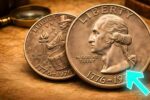
Rare $21 Million Sacagawea Dollar: The Sacagawea Dollar was first introduced in 2000 as part of a new initiative to create a golden-colored coin that could replace the paper dollar in circulation. Designed by Glenna Goodacre, the obverse features Sacagawea carrying her infant son Jean Baptiste, while the reverse originally depicted a soaring eagle. The coin was meant to honor Sacagawea’s role in guiding the Lewis and Clark expedition and to celebrate Native American heritage. Although the coin never gained widespread use in everyday transactions, it quickly became a favorite among collectors due to its distinctive design and limited mintages of certain varieties.
Why Some Sacagawea Dollars Are Worth Millions
Most Sacagawea Dollars are worth only their face value, but certain rare varieties have achieved legendary status. The most famous is the coin valued at $21 million, a unique specimen that combined rarity, condition, and historical significance. This coin was part of a special run struck in collaboration with the Cheerios cereal promotion in 2000. Some of these coins featured a reverse design with enhanced eagle tail feathers, making them distinct from regular issues. Because so few were produced and even fewer survived in pristine condition, they became some of the most valuable modern coins ever discovered.
The Cheerios Dollar Connection
In 2000, the U.S. Mint partnered with General Mills to include Sacagawea Dollars in Cheerios cereal boxes as a promotional campaign. Approximately 5,500 coins were distributed, but a small number of them had a unique reverse design with detailed eagle tail feathers. These coins became known as “Cheerios Dollars.” Collectors quickly realized their rarity, and values skyrocketed. Today, a Cheerios Sacagawea Dollar in Mint State condition can sell for tens of thousands of dollars, and the most pristine examples have reached multimillion-dollar valuations.
Key Varieties and Rare Issues
Several Sacagawea Dollar varieties stand out as especially valuable. Collectors should be aware of these key issues:
- 2000 Cheerios Dollar with enhanced eagle tail feathers.
- 2000-P Proof coins with mirror-like surfaces.
- 2000-P Mule Error featuring a Washington Quarter obverse paired with a Sacagawea Dollar reverse.
- 2001-S Proof coins produced in limited numbers.
- 2009 Native American Dollar with new reverse designs honoring Native American contributions.
Each of these coins has sold for significant sums, depending on condition and rarity.
The Role of Minting Errors
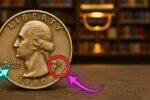
Minting errors are among the most fascinating aspects of coin collecting. The Sacagawea Dollar series includes one of the most famous errors in modern numismatics: the mule coin. This error occurred when a Washington Quarter obverse die was accidentally paired with a Sacagawea Dollar reverse die. Only a handful of these coins exist, and they have sold for hundreds of thousands of dollars. Such mistakes are rare and often unique, making them highly desirable to collectors.
The Importance of Condition and Grading
Condition plays a crucial role in determining the value of any coin. Sacagawea Dollars are graded on a scale from Poor (P-1) to Mint State (MS-70). Coins in Mint State or Proof condition are worth far more than those that have circulated. Professional grading services provide authentication and assign grades, which helps collectors and investors feel confident in their purchases. A Cheerios Dollar graded MS-68 or higher can command extraordinary premiums in the marketplace.
Collecting Sacagawea Dollars as an Investment
Coin collecting is more than just a hobby. Rare Sacagawea Dollars have consistently appreciated in value over time, making them attractive investment opportunities. For example, a mule error coin or a Cheerios Dollar in pristine condition can sell for hundreds of thousands or even millions of dollars. Investors often diversify their portfolios by including rare coins, which can serve as a hedge against inflation and economic uncertainty.
Stories of Hidden Treasures
There are countless stories of people discovering valuable Sacagawea Dollars in unexpected places. Some Cheerios Dollars were found years after the promotion in unopened cereal boxes or family collections. Others stumbled upon mule error coins in circulation. These discoveries add excitement to coin collecting and remind us that treasures can still be found in everyday life. The thrill of uncovering a rare variety keeps collectors searching through rolls of coins and inherited collections.
How to Identify Valuable Sacagawea Dollars
Collectors can identify valuable Sacagawea Dollars by paying attention to several details. Look for coins with enhanced eagle tail feathers, which distinguish Cheerios Dollars from regular issues. Check for unusual pairings of obverse and reverse designs, which may indicate mule errors. Examine coins for signs of proof striking, such as mirror-like surfaces and sharp details. Mint marks such as P for Philadelphia or S for San Francisco can also provide clues. Using a magnifying glass and coin reference guides can help spot these details.
The Future of Sacagawea Dollars
The Sacagawea Dollar continues to hold a special place in American numismatics. While most examples are common, rare varieties and errors ensure that these coins remain valuable to collectors. As time passes, high-grade coins and unique issues will likely become even more sought after. Collectors who pay attention to details and preserve their coins carefully may find themselves holding pieces that appreciate significantly in value.
Conclusion
The Sacagawea Dollar is more than just a coin. It is a celebration of Native American heritage, a tribute to Sacagawea’s role in American history, and in rare cases, a source of extraordinary wealth. From the Cheerios Dollar to the mule error coin, these rarities have captivated collectors for decades. The story of a Sacagawea Dollar valued at $21 million reminds us that treasures can still be discovered in the most unexpected places. Whether you are a seasoned numismatist or a curious beginner, the hunt for valuable Sacagawea Dollars offers both excitement and financial reward.