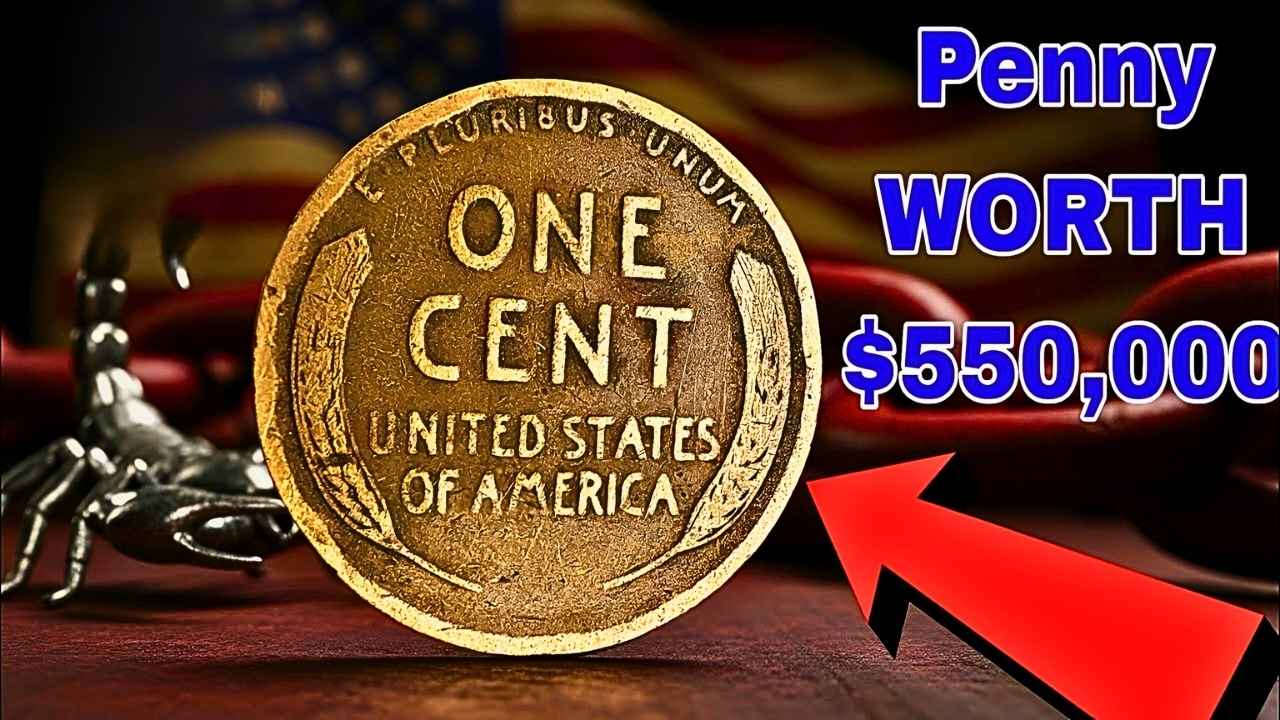
Rare Wheat Pennies Worth a Fortune: Coin collecting has always been a pursuit filled with excitement and discovery. Each coin carries a piece of history, a story of the time in which it was minted, and sometimes a hidden fortune waiting to be uncovered. Among the most celebrated coins in American numismatics are the Lincoln Wheat Pennies. First introduced in 1909 to honor the centennial of Abraham Lincoln’s birth, these coins have become iconic in the world of coin collecting. While most Wheat Pennies are common and worth only a cent, certain rare varieties have reached extraordinary values, sometimes worth thousands or even millions of dollars. These coins are highly sought after by collectors who dream of finding one in their wallet or collection.
The Legacy of the Lincoln Wheat Penny
The Lincoln Wheat Penny was designed by Victor David Brenner and featured Lincoln’s profile on the obverse and two wheat stalks on the reverse, symbolizing prosperity. It was the first United States coin to depict a real person rather than a symbolic figure. Minted from 1909 until 1958, the Wheat Penny became a staple of American coinage. Over the years, special editions, minting errors, and limited runs have created rare Wheat Pennies that are now worth fortunes. These coins are not only valuable but also serve as reminders of the nation’s history and the enduring legacy of its 16th President.
Why Some Wheat Pennies Are So Valuable
The value of a coin depends on several factors, including rarity, condition, minting errors, and historical significance. Coins produced in limited numbers or under unusual circumstances often become prized collectibles. Minting errors, such as double strikes or coins struck on the wrong planchet, can make a coin unique and therefore highly valuable. The condition of the coin also plays a major role, with coins in pristine mint state commanding far higher prices than those that are worn or damaged. Wheat Pennies that combine rarity, condition, and historical importance can easily surpass thousands of dollars in value.
Five Rare Wheat Pennies Shocking Today’s Auction Market
1909 S VDB Wheat Penny
The 1909 S VDB Wheat Penny is one of the most famous and valuable coins in the series. It was minted in San Francisco during the first year of the Wheat Penny’s release. With a very limited mintage of just over 484,000, this coin is extremely rare. In high grade condition, it can fetch tens of thousands of dollars at auction. Collectors prize it not only for its rarity but also for its historical significance as part of the inaugural year of the Wheat Penny.
1914 D Wheat Penny
The 1914 D Wheat Penny is another highly valuable coin. Minted in Denver, it had a relatively low mintage of just over one million. However, surviving examples in high grade condition are extremely rare. This coin is considered one of the key dates in the Wheat Penny series and can command prices in the tens of thousands. Collectors seek it out as a cornerstone of any serious Wheat Penny collection.
1922 No D Wheat Penny
The 1922 No D Wheat Penny is a legendary coin among collectors. It was minted in Denver, but due to a minting error, some coins were struck without the D mint mark. These error coins are extremely rare and highly valuable. In pristine condition, they can sell for tens of thousands of dollars. The 1922 No D Wheat Penny is a prime example of how minting anomalies can create coins of extraordinary value.
1931 S Wheat Penny
The 1931 S Wheat Penny is one of the rarest coins of the series. Minted in San Francisco, it had a very low mintage of just under one million. Surviving examples in high grade condition are highly prized by collectors. This coin can fetch thousands of dollars at auction, making it a key date for serious collectors of Wheat Pennies.
1944 Steel Wheat Penny
The 1944 Steel Wheat Penny is one of the most unusual and valuable coins in the series. During World War II, pennies were struck in steel to conserve copper for the war effort. However, in 1944, some pennies were mistakenly struck in steel instead of copper. These error coins are extremely rare and can sell for tens of thousands of dollars. The 1944 Steel Wheat Penny is a fascinating example of how historical circumstances can create coins of extraordinary value.
How to Spot Rare Wheat Pennies
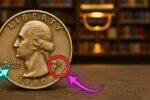
Identifying valuable Wheat Pennies requires careful observation and knowledge of specific details. Here are some tips for spotting rare coins in your collection or wallet.
Check the Date and Mint Mark
The year of minting and the mint mark are crucial in determining value. Coins from certain years and mints are far rarer than others. Pay close attention to coins from 1909, 1914, 1922, 1931, and 1944, as these years produced some of the most valuable Wheat Pennies.
Look for Errors
Minting errors can dramatically increase the value of a coin. Double strikes, missing mint marks, and coins struck on the wrong planchet are examples of errors that collectors prize. Carefully inspect the details of your coin to see if any unusual features are present.
Assess the Condition
The condition of the coin plays a major role in its value. Coins are graded on a scale from poor to mint state. A coin in flawless condition with sharp details and no signs of wear will be worth far more than a heavily circulated example.
Consult References
Numismatic guides and catalogs provide detailed information about different varieties of coins and their values. Consulting these resources can help you determine whether a Wheat Penny in your possession is truly rare and valuable.
The Thrill of Coin Collecting
For collectors, the search for rare coins is part of the excitement. Every coin examined carries the possibility of being something extraordinary. The idea that a Wheat Penny worth thousands could be sitting unnoticed in a wallet or purse adds to the allure of collecting. It is this thrill of discovery that keeps enthusiasts engaged and passionate about their hobby.
The Cultural Significance of Wheat Pennies
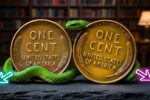
Beyond their monetary value, Wheat Pennies hold cultural and historical importance. They represent the nation’s respect for Abraham Lincoln and serve as reminders of key moments in American history. Owning a rare Wheat Penny is not just about possessing a valuable piece of metal but about connecting with the legacy of Lincoln and the story of the United States.
Tips for Aspiring Collectors
If you are interested in coin collecting, here are a few tips to help you get started.

Start With What You Have
Begin by examining the coins you already own. Look through jars of change, old collections, or coins passed down from family members. You may be surprised at what you find.
Learn About Coin Varieties
Educate yourself about different types of coins, their history, and the factors that determine value. Books, coin clubs, and collector communities can provide valuable information.
Handle Coins With Care
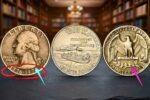
Coins should be handled carefully to avoid damage. Use gloves when possible and store coins in protective holders to preserve their condition.
Seek Professional Guidance
If you believe you have found a rare coin, consider consulting a professional numismatist or grading service. They can provide expert advice and help you determine the true value of your coin.
Conclusion
Wheat Pennies are more than just currency. They are symbols of history, culture, and the enduring fascination with rare treasures. While most Wheat Pennies are worth only a cent, certain rare varieties can reach extraordinary prices, with some worth thousands of dollars. By learning how to spot these rare coins, collectors and enthusiasts can join the thrilling hunt for hidden treasures that may still be waiting in everyday circulation. The next time you come across a Wheat Penny, take a closer look. You never know if you might be holding a fortune in your hand.