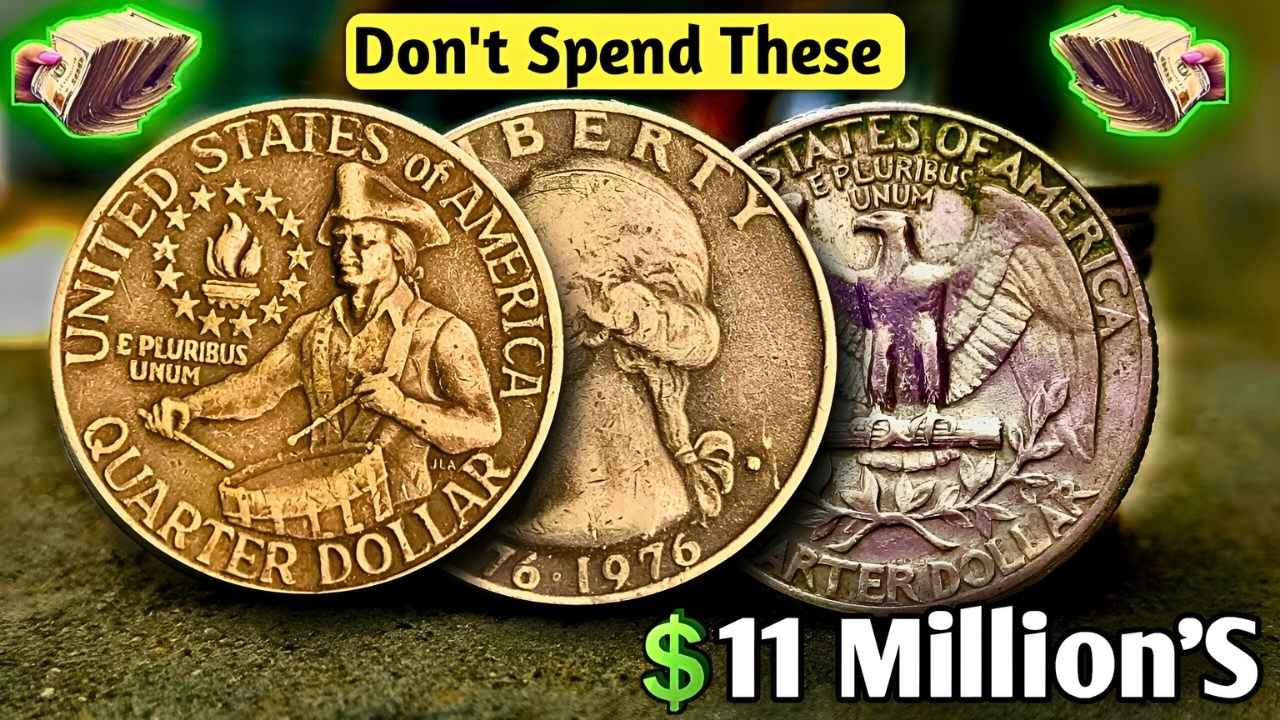
1976 Bicentennial Quarter Breakdown: The 1976 Bicentennial Quarter is one of the most iconic coins in modern American numismatics. Struck to celebrate the 200th anniversary of the United States, it features a unique reverse design with a colonial drummer and a torch surrounded by thirteen stars. The obverse retains the familiar portrait of George Washington. Millions of these coins were produced, making them a common sight in circulation for decades.
While many 1976 quarters are worth only face value, certain varieties, errors, and special editions have become highly sought after by collectors. Understanding the differences between common coins and valuable versions is key to anyone interested in the world of Bicentennial quarters.

Design and Production Details
The 1976 Bicentennial Quarter was issued by the Philadelphia and Denver mints for general circulation. The San Francisco Mint also produced special proof coins and uncirculated sets for collectors. The reverse design, created by Jack L. Ahr, was chosen to symbolize patriotism and American history.
Millions of these coins were minted, making them abundant in circulation. However, special mint sets, proof sets, and coins with errors are rare and can carry significant value. The coin was produced in both standard copper-nickel clad and 40 percent silver versions for collector sets. Understanding the production details helps identify which coins are more valuable.
Common Misconceptions About Value
Many people mistakenly believe that all 1976 Bicentennial Quarters are rare or valuable. In reality, most quarters from this year are worth only twenty-five cents to fifty cents. Their large mintage makes them common in circulation, and they are primarily valued as historical pieces rather than financial assets.
Another misconception is that all 1976 quarters contain silver. Only special collector sets from the San Francisco Mint include 40 percent silver. Circulation coins from Philadelphia and Denver are composed of copper-nickel clad and have no significant silver content. Understanding these distinctions helps separate common coins from those worth collecting or investing in.
Rare Varieties of the Bicentennial Quarter
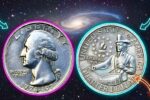
Some 1976 Bicentennial Quarters are more valuable due to their rarity or special characteristics. Collectors look for specific varieties that may have limited production, unique minting features, or historical significance.
One example is the San Francisco Mint proof coins. These are highly detailed and often struck on 40 percent silver planchets. Uncirculated collector coins from this mint are also prized. Coins with a sharp strike and pristine surfaces can fetch higher prices than those that show signs of wear.
Other rare varieties include coins from early experimental strikes or those with minor design differences. These types of coins are harder to find and are especially appealing to serious collectors.
Error Coins and How to Identify Them
Error coins are among the most fascinating aspects of the 1976 Bicentennial Quarter. Errors occur during the minting process and can include doubled dies, off-center strikes, missing elements, or planchet flaws. These coins are highly collectible because they are unusual and often one-of-a-kind.
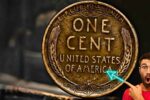
A common error for the 1976 quarter is the doubled die. This occurs when the die used to strike the coin imprints the design twice in slightly different positions. Coins with this error show doubling in the inscriptions or design elements. Off-center strikes are another type of error where the coin is not properly aligned with the die, resulting in part of the design being missing.
Collectors should examine coins carefully for any irregularities. Magnifying tools and comparison to standard coins can help identify potential errors. Coins with certified errors generally sell for significantly more than regular circulation pieces.
Mint Marks and Their Impact on Value
Mint marks are small letters on a coin that indicate where it was produced. For 1976 Bicentennial Quarters, the Philadelphia mint uses no mark or “P,” the Denver mint uses “D,” and the San Francisco mint uses “S.” Mint marks are important because they help identify special collector coins.
Coins from the San Francisco Mint often have higher value due to their lower mintage and inclusion in collector sets. Philadelphia and Denver coins are abundant, but specific proof or uncirculated issues from these mints can still be valuable. Knowing the mint mark is essential for accurate valuation.
Condition and Grading
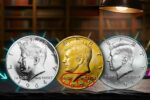
Condition plays a major role in the value of any coin, including the 1976 Bicentennial Quarter. Coins that are uncirculated or in near-mint condition are more desirable to collectors. Wear, scratches, or discoloration can significantly reduce a coin’s market value.
Professional grading services evaluate coins on a scale that ranges from poor to perfect mint state. High-grade coins with sharp details and no imperfections command premium prices, especially if they are rare varieties or have errors. Collectors often seek coins that retain their original luster and have been carefully preserved.
Value Ranges for 1976 Bicentennial Quarters
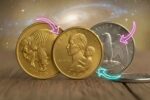
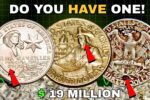
Most 1976 Bicentennial Quarters from circulation are worth face value, approximately twenty-five cents. Uncirculated copper-nickel coins can sell for a few dollars depending on condition. San Francisco Mint proof coins and 40 percent silver collector coins generally range from $5 to $20, with some higher-grade examples reaching $50 or more.
Error coins and rare varieties can command hundreds of dollars in auctions or private sales. Doubled dies, off-center strikes, and experimental varieties are especially valuable due to their scarcity and collector interest. Certification by a professional grading service often increases the coin’s market value.
Tips for Collectors and Investors
If you are interested in collecting 1976 Bicentennial Quarters, start by examining coins carefully for condition, mint marks, and possible errors. Keep coins in protective holders to prevent wear and tarnish. Collectors should also research coin catalogs and auction results to understand market trends.
When buying coins from dealers or online marketplaces, ensure authenticity and seek certificates of authenticity for rare or high-value pieces. Patience is key. It is better to build a well-curated collection of verified coins than to chase exaggerated claims of value.

The Appeal of Bicentennial Quarters
The 1976 Bicentennial Quarter remains a beloved coin for both collectors and casual enthusiasts. Its historical significance, unique design, and occasional rare varieties make it appealing to a wide range of people. Even coins that are not worth more than face value carry sentimental and educational value.
Collecting these quarters allows enthusiasts to connect with American history, appreciate numismatic artistry, and potentially discover valuable coins. Whether you focus on circulated coins, proofs, silver issues, or error coins, the 1976 Bicentennial Quarter offers a rewarding experience for collectors of all levels.
Conclusion
The 1976 Bicentennial Quarter is much more than a coin for everyday transactions. While most coins from this year are common, rare varieties, errors, and high-grade collector coins provide opportunities for serious collectors and investors. Understanding mint marks, condition, and special issues is essential for accurate valuation.
By separating myths from reality, collectors can make informed decisions and enjoy the rich history these coins represent. The 1976 Bicentennial Quarter continues to inspire interest more than forty years after its release, proving that even small coins can carry extraordinary significance and value.