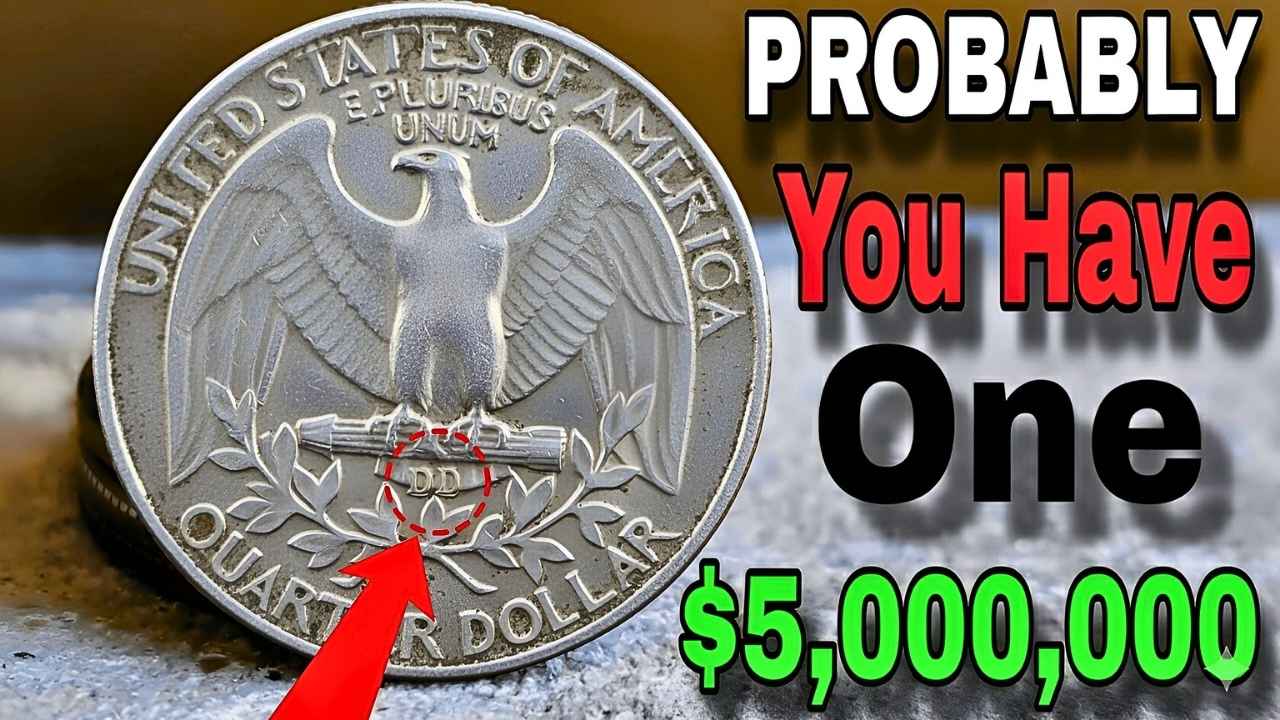
Rare 1976 Bicentennial Quarter Worth $3 Million: The 1976 Bicentennial Quarter holds a special place in American numismatic history. Released to commemorate the 200th anniversary of the signing of the Declaration of Independence, this coin was part of a larger Bicentennial coinage program that included quarters, half dollars, and dollar coins. While millions of these quarters were minted and remain common today, certain rare varieties and unique errors have elevated some examples to legendary status. In 2026, stories of Bicentennial Quarters worth millions continue to capture the imagination of collectors and treasure hunters alike. This guide explores the identification, rarity, and value of these coins, including the mythical $3 million Bicentennial Quarter.
The Bicentennial Quarter Design
The Bicentennial Quarter was distinctive in its design. Instead of the traditional eagle reverse, it featured a colonial drummer boy designed by Jack L. Ahr, with a torch surrounded by thirteen stars to symbolize the original colonies. The obverse retained George Washington’s portrait but included the dual date “1776–1976.” This design was a one-time issue, making it instantly recognizable and historically significant. Collectors cherish the coin not only for its patriotic symbolism but also for its role in marking a milestone in American history.
Common Bicentennial Quarters
Most Bicentennial Quarters are worth only their face value or slightly more in circulated condition. Billions were produced at the Philadelphia, Denver, and San Francisco mints. Proof versions and silver-clad issues were also struck for collectors. These coins are widely available and affordable, making them a popular entry point for new collectors. However, the vast majority of Bicentennial Quarters do not carry extraordinary value. The excitement lies in the rare varieties and minting errors that set a few coins apart.
Rare Varieties and Errors
The true treasures among Bicentennial Quarters are those with rare minting errors or unusual characteristics. Some examples include double die obverses, off-center strikes, and coins struck on the wrong planchets. These errors are scarce and highly prized by collectors. A Bicentennial Quarter struck on a silver planchet intended for another denomination, for instance, can fetch thousands of dollars. Dramatic off-center strikes or doubled lettering also command significant premiums. It is these anomalies that fuel stories of Bicentennial Quarters worth fortunes.
The Mythical $3 Million Bicentennial Quarter
Among collectors, tales of a Bicentennial Quarter worth $3 million have circulated for years. While most Bicentennial Quarters are common, certain rare examples with unique errors or exceptional provenance have achieved legendary status. The $3 million figure is often associated with a coin that combines rarity, condition, and historical significance in an extraordinary way. Though such valuations are rare and often debated, they highlight the fascination and allure surrounding this iconic coin. For collectors, the possibility of discovering such a treasure adds excitement to the hunt.
How to Identify Valuable Bicentennial Quarters
Identifying a valuable Bicentennial Quarter requires careful examination. Collectors should look for the following features:

- Minting Errors: Check for doubled dies, off-center strikes, or unusual planchet compositions.
- Condition: Coins in uncirculated or proof condition are far more valuable than worn examples.
- Mint Marks: Quarters minted in San Francisco, especially silver-clad proofs, are more desirable.
- Unique Characteristics: Any anomaly that sets the coin apart from standard issues can increase value.
Using a magnifying glass and consulting professional grading services can help confirm whether a coin is truly rare and valuable.
The Role of Coin Grading
Professional grading plays a crucial role in determining the value of Bicentennial Quarters. Grading services assess a coin’s condition, authenticity, and rarity. Coins graded at the highest levels, such as Mint State 67 or higher, can command significant premiums. Certification also provides assurance to buyers and sellers, making transactions more secure. For collectors hoping to maximize the value of their Bicentennial Quarters, professional grading is an essential step.

Market Value in 2026
In 2026, the market for Bicentennial Quarters remains strong. Common examples are worth modest amounts, but rare varieties and errors continue to attract high bids at auctions. Silver-clad proof versions can sell for tens or hundreds of dollars depending on condition. Exceptional error coins or unique varieties can reach into the thousands. The mythical $3 million Bicentennial Quarter represents the pinnacle of value, though most collectors will encounter coins worth far less. Still, the potential for extraordinary finds keeps interest alive.
Collecting Strategies
For those interested in collecting Bicentennial Quarters, several strategies can enhance the experience:

- Search Rolls and Change: Rare errors occasionally surface in circulation, though this is increasingly uncommon.
- Attend Coin Shows and Auctions: These venues provide opportunities to acquire rare varieties and learn from experts.
- Invest in Proof Sets: Silver-clad proof sets from 1976 are relatively affordable and hold long-term value.
- Consult Experts: Professional numismatists can provide guidance on identifying and valuing rare coins.
By combining knowledge, patience, and careful searching, collectors can build meaningful collections and perhaps uncover hidden treasures.
Conclusion
The 1976 Bicentennial Quarter is more than just a piece of pocket change. It is a symbol of American history, a reminder of the nation’s 200th anniversary, and a source of fascination for collectors. While most examples are common, rare varieties and minting errors elevate certain coins to extraordinary value. The mythical $3 million Bicentennial Quarter embodies the excitement and allure of coin collecting, inspiring treasure hunters to keep searching. In 2026, the Bicentennial Quarter continues to captivate collectors, proving that even the most ordinary coins can hold extraordinary stories.