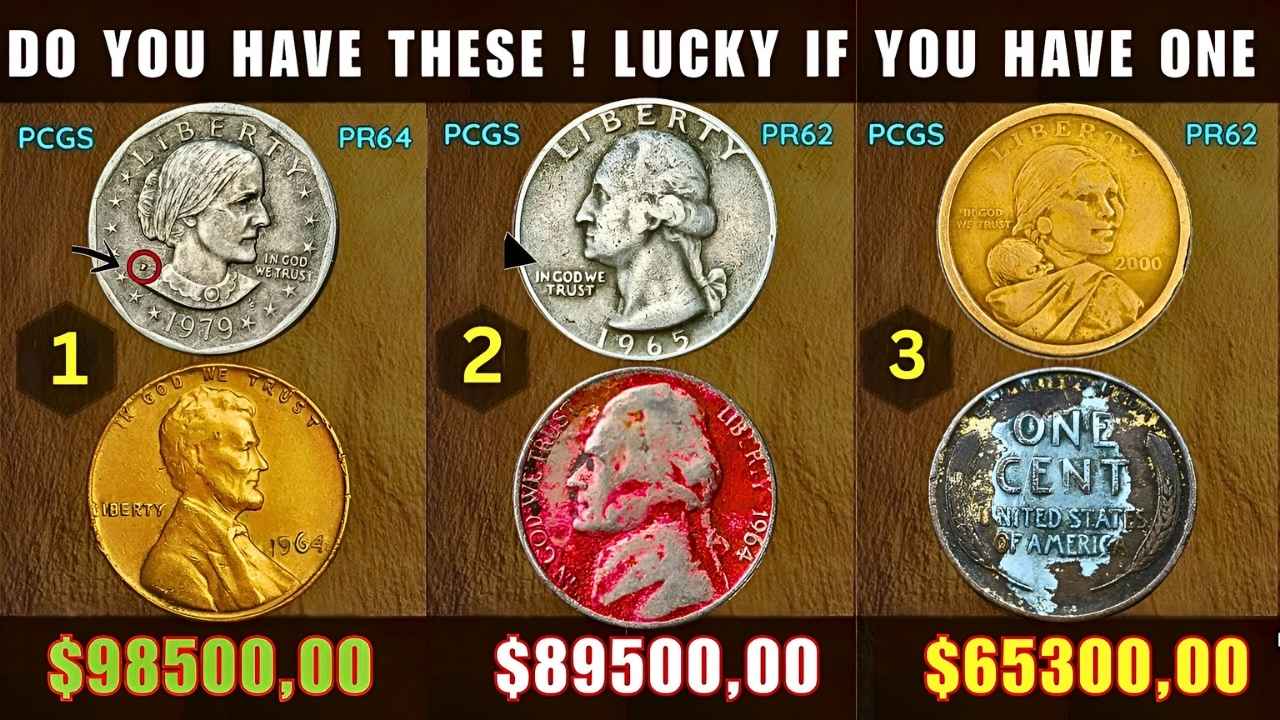
Complete Lincoln Penny Value Guide: The Lincoln Penny is one of the most iconic coins in American numismatic history. First minted in 1909 to honor President Abraham Lincoln’s centennial birthday, it became the first U.S. coin to feature a president’s portrait. Over the decades, the Lincoln Penny has undergone design changes, metal composition shifts, and countless minting variations. For collectors, the coin offers a fascinating journey through American history and a treasure trove of rare varieties. This guide provides a comprehensive overview of Lincoln Penny values, including a year and mint mark chart to help collectors identify the most valuable examples.
The Origins of the Lincoln Penny
The Lincoln Penny was introduced in 1909, replacing the Indian Head Cent. Designed by Victor David Brenner, the coin featured Lincoln’s portrait on the obverse and two wheat stalks on the reverse, symbolizing prosperity. Known as the Wheat Penny, this design lasted until 1958. In 1959, the reverse was changed to the Lincoln Memorial to commemorate Lincoln’s 150th birthday. Later, in 2009, special designs were issued to mark the bicentennial of Lincoln’s birth, followed by the Union Shield reverse introduced in 2010.
Key Eras of the Lincoln Penny
Collectors often divide Lincoln Pennies into distinct eras:
- Wheat Pennies (1909–1958): Featuring the wheat stalk reverse, these coins include some of the rarest and most valuable varieties.
- Memorial Pennies (1959–2008): Featuring the Lincoln Memorial reverse, these coins are common but include some notable errors.
- Bicentennial Pennies (2009): Issued with four different reverse designs representing Lincoln’s life stages.
- Union Shield Pennies (2010–present): Featuring a shield design symbolizing Lincoln’s preservation of the Union.
Rare and Valuable Lincoln Pennies
Several Lincoln Pennies stand out as exceptionally rare and valuable:
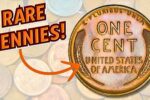
- 1909-S VDB: The first-year issue from the San Francisco Mint with designer initials “VDB” prominently displayed. Extremely rare and highly prized.
- 1914-D: A low-mintage coin from Denver, considered one of the key dates in the series.
- 1922 No D: A variety where the Denver mint mark is missing, creating a scarce collectible.
- 1943 Copper Penny: Mistakenly struck on bronze planchets instead of steel, among the most famous and valuable Wheat Pennies.
- 1955 Doubled Die: Known for its dramatic doubling of the date and lettering, prized by collectors.
Year and Mint Mark Chart
Below is a simplified chart highlighting key Lincoln Penny years and mint marks that collectors should pay attention to. Values vary depending on condition, rarity, and demand.
| Year | Mint Mark | Notable Variety | Approximate Value Range |
|---|---|---|---|
| 1909 | S VDB | First-year issue with initials | $700 – $15,000 |
| 1914 | D | Low mintage key date | $200 – $10,000 |
| 1922 | No D | Missing mint mark variety | $500 – $15,000 |
| 1943 | Copper | Struck on bronze planchet | $100,000 – $500,000+ |
| 1955 | Doubled Die | Dramatic doubling of date | $1,000 – $25,000 |
| 1969 | S Doubled Die | Rare doubled die obverse | $10,000 – $75,000 |
| 1972 | Doubled Die | Doubling on obverse | $100 – $1,000 |
| 1983 | Doubled Die | Doubling on reverse | $75 – $1,500 |
| 1992 | Close AM | Rare spacing variety | $500 – $5,000 |
| 1999 | Wide AM | Reverse spacing variety | $200 – $5,000 |
This chart represents only the most notable varieties. Many other Lincoln Pennies hold value depending on grade and rarity.
How to Identify Valuable Lincoln Pennies
Collectors should carefully examine their coins for the following features:
- Mint Marks: Located below the date, mint marks indicate where the coin was struck. Rare mint marks often increase value.
- Errors and Varieties: Look for doubled dies, off-center strikes, or unusual spacing in lettering.
- Condition: Coins in uncirculated or proof condition are far more valuable than worn examples.
- Metal Composition: Pay attention to years when composition changed, such as 1943 steel pennies or 1982 copper-to-zinc transition.
The Importance of Coin Grading
Professional grading is essential in determining the value of Lincoln Pennies. Grading services assess a coin’s condition, authenticity, and rarity. Coins graded at the highest levels, such as Mint State 67 or higher, can command significant premiums. Certification provides assurance to buyers and sellers, making transactions more secure. For collectors hoping to maximize the value of their Lincoln Pennies, professional grading is a critical step.
Market Value in 2026
In 2026, the market for Lincoln Pennies remains strong. Common examples are worth modest amounts, but rare varieties and errors continue to attract high bids at auctions. Key dates such as the 1909-S VDB and 1914-D hold enduring appeal. Exceptional error coins or unique varieties can reach into the thousands or even hundreds of thousands. The legendary 1943 Copper Penny and 1955 Doubled Die remain among the most coveted coins in the series.
Collector Insights
Collectors often view Lincoln Pennies as more than just currency. They represent a piece of American history and a tribute to one of the nation’s greatest presidents. Many collectors pursue complete sets, including proof and error issues, while others focus on hunting rare varieties. The Lincoln Penny appeals to both seasoned numismatists and casual hobbyists, offering opportunities for discovery and investment. Its enduring popularity ensures that it will remain a cornerstone of coin collecting for generations to come.
Conclusion
The Lincoln Penny is a coin that blends history, artistry, and numismatic intrigue. While most examples are common and affordable, rare varieties and mint errors elevate certain coins to extraordinary value. From key dates like the 1909-S VDB to dramatic anomalies like the 1943 Copper Penny, these coins continue to captivate collectors in 2026. The Lincoln Penny value chart provides a roadmap for identifying treasures hidden in collections and circulation. Whether you are a seasoned collector or a curious beginner, the Lincoln Penny offers a fascinating journey into America’s past and the thrill of discovering hidden treasures.