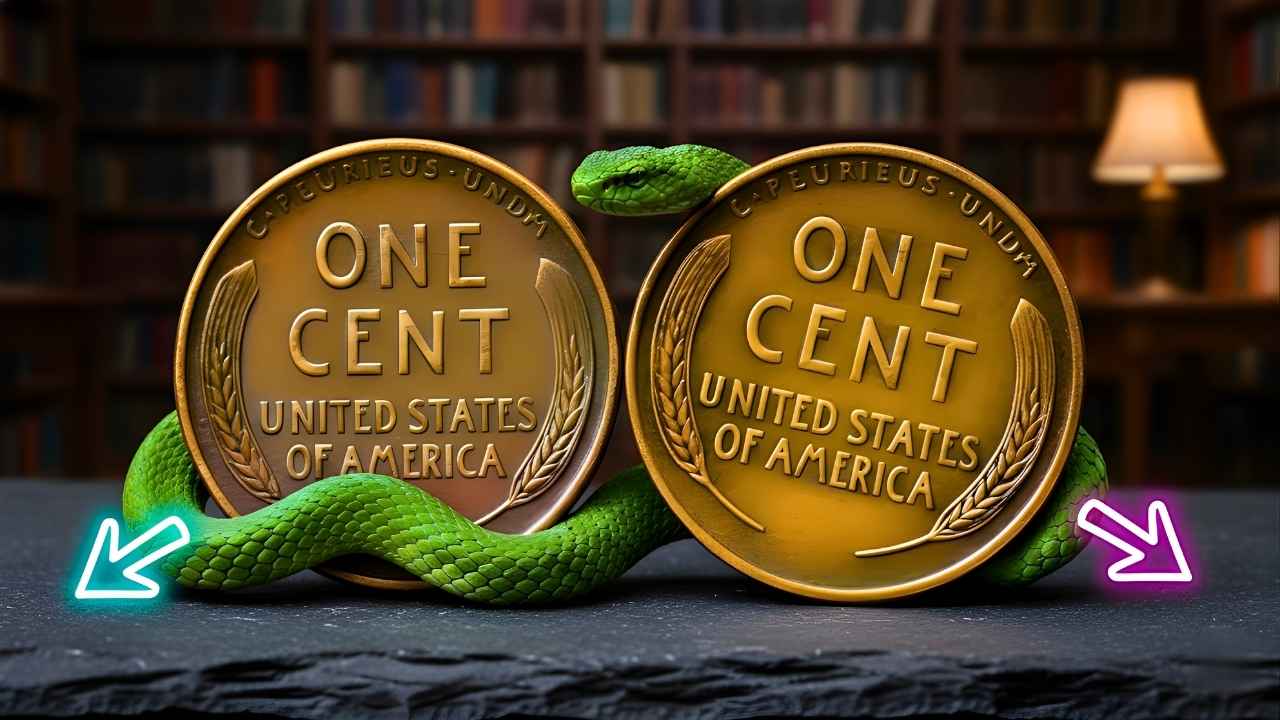
Lincoln Wheat Penny History: The Lincoln Wheat Penny was first introduced in 1909 to commemorate the 100th anniversary of Abraham Lincoln’s birth. It was the first regular issue coin in the United States to feature the portrait of a real person rather than symbolic imagery. Designed by Victor David Brenner, the coin carried Lincoln’s profile on the obverse and two wheat stalks on the reverse, symbolizing prosperity and abundance. This design gave the coin its popular nickname, the Wheat Penny. Its introduction marked a turning point in American coinage, blending artistry with national pride.
Early Reception and Public Sentiment
When the Lincoln Wheat Penny was released, it was met with widespread enthusiasm. Americans admired the tribute to Lincoln, a figure who embodied unity and resilience. However, controversy arose over the prominent placement of Brenner’s initials, VDB, on the reverse of the coin. Critics argued that the initials were too large, and production was quickly halted to remove them. This led to the creation of the rare 1909 S VDB variety, which remains one of the most sought-after coins in the series. Despite the initial debate, the coin quickly became a beloved fixture in American pockets.
The Role of the Wheat Penny in Everyday Life
For nearly half a century, the Lincoln Wheat Penny was a staple of everyday commerce. From buying candy to paying for newspapers, it was part of daily transactions across the country. Its widespread circulation made it a familiar sight to generations of Americans. The coin’s durability and distinctive design ensured that it remained recognizable even as decades passed. For many, the Wheat Penny is a nostalgic reminder of simpler times and the rhythm of daily life in twentieth-century America.
Wartime Changes and Historical Context
The Wheat Penny also reflects the broader history of the United States. During World War II, copper was needed for the war effort, so the U.S. Mint produced pennies from steel coated with zinc in 1943. These steel pennies were lighter in color and often confused with dimes. A few copper blanks were mistakenly used, resulting in the famous 1943 copper penny, one of the rarest coins in American history. This wartime change highlights how coinage can serve as a window into national priorities and challenges.
Key Dates and Rare Varieties
Several Wheat Penny varieties have become legendary among collectors. The 1909 S VDB is prized for its rarity and historical significance. The 1914 D is another key date, with limited mintage and high demand. The 1922 No D variety, created when a worn die failed to leave the mint mark, is also highly sought after. The 1955 double die is one of the most dramatic error coins, with visible doubling on the date and lettering. Each of these coins tells a story of minting practices, human error, and collector passion.
The Transition to the Lincoln Memorial Penny
In 1958, the Wheat Penny design was retired and replaced with the Lincoln Memorial reverse. This new design featured the iconic monument in Washington, D.C., symbolizing national unity and Lincoln’s enduring legacy. While the Wheat Penny disappeared from circulation, it remained a cherished collectible. The transition marked the end of an era but also ensured that Lincoln’s image would continue to grace American coinage for generations to come.
Collecting Wheat Pennies Today
Today, Wheat Pennies are among the most popular coins for collectors. Their long history, distinctive design, and variety of rare issues make them appealing to both beginners and seasoned numismatists. Collectors often seek to build complete sets, spanning from 1909 to 1958. The thrill of finding a rare variety or a coin in pristine condition adds excitement to the hobby. For many, collecting Wheat Pennies is not just about monetary value but about connecting with history and preserving a tangible piece of America’s past.
The Role of Condition in Value
Condition plays a critical role in determining the value of a Wheat Penny. A circulated coin with scratches and wear may be worth only a few cents, while an uncirculated coin with sharp details and original luster can be worth hundreds or even thousands of dollars. Professional grading services can authenticate rare finds and assign them a grade that determines value. Coins graded MS65 or higher are considered near flawless and can command premium prices. The better the condition, the greater the value.
Myths and Misconceptions
As with many rare coin stories, myths and misconceptions abound. Some people believe that any Wheat Penny could be worth thousands of dollars, but this is rarely the case. Most are common and hold only modest value. The myth persists because people love the idea of hidden treasure. The story of rare Wheat Pennies is appealing, but it is the exception rather than the rule. Collectors must be cautious and rely on verified information when evaluating coin values.
Auction Stories and Collector Dreams
Auction records provide a more realistic picture of the Wheat Penny’s value. Rare varieties and error coins have sold for impressive sums, sometimes reaching tens of thousands or even hundreds of thousands of dollars. These figures demonstrate the genuine potential of rare coins. Stories of coins selling for high prices inspire collectors to keep searching. The dream of finding that one extraordinary coin is what makes numismatics so captivating.

The Joy of Collecting
Even if most Wheat Pennies are not worth a fortune, collecting them can still be rewarding. The coin carries historical significance as a tribute to Abraham Lincoln and a symbol of early twentieth-century America. It connects collectors to the past and offers the thrill of discovery. For many, the joy lies not in the monetary value but in the stories each coin carries. Each piece is a tangible link to history, and the pursuit itself becomes the treasure.
Conclusion
The Lincoln Wheat Penny is more than just a coin. It is a piece of history, a symbol of artistry, and a treasure that inspires collectors. From its introduction in 1909 to its retirement in 1958, the Wheat Penny witnessed decades of American life and change. Rare varieties and error coins continue to captivate numismatists, while common examples evoke nostalgia and connection to the past. Whether worth a few cents or thousands of dollars, the Wheat Penny remains a beloved piece of American history, reminding us that even ordinary coins can carry extraordinary meaning