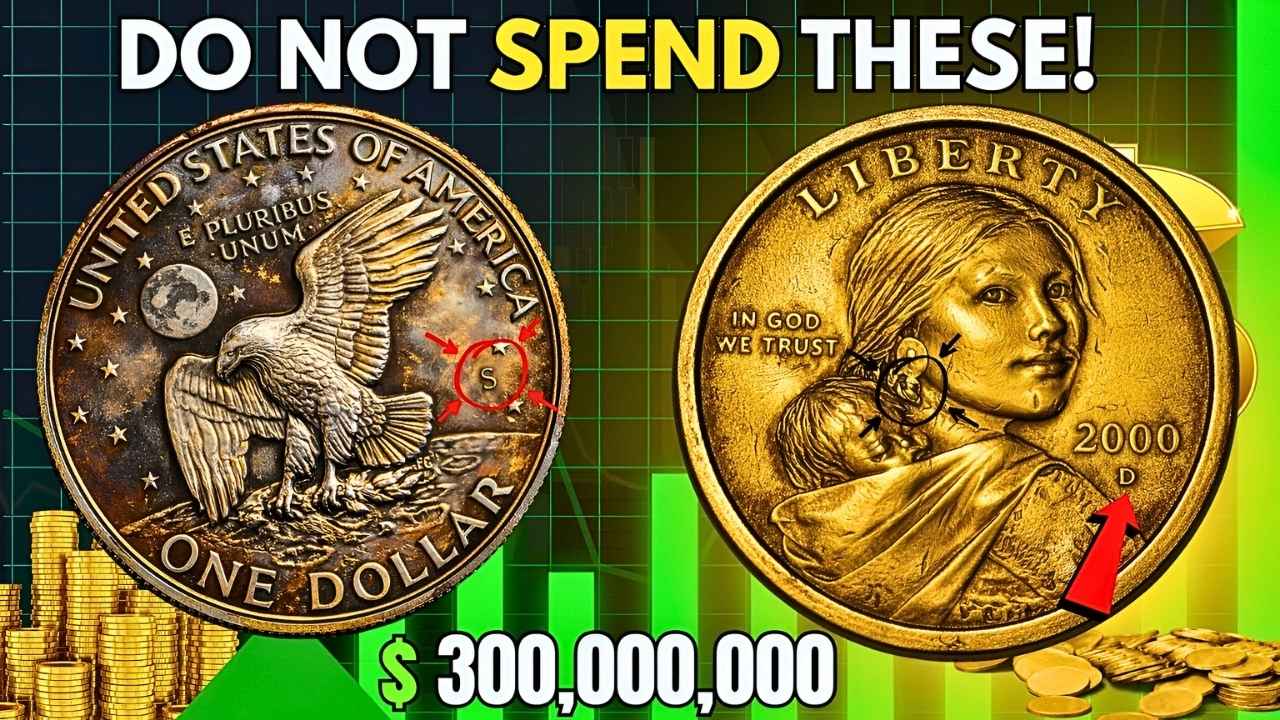
Million-Dollar Coin Errors Explained: Coins are more than just money. They tell stories, mark history, and sometimes, they carry secrets that can make them worth far more than their face value. Among the most fascinating of these are coin errors. Certain $1 coins with unusual mistakes or minting quirks have sold for astonishing sums, even reaching million-dollar figures. These coins are living proof that paying attention to small details can lead to incredible discoveries.
What Makes a Coin Error Valuable
Not all mistakes make a coin valuable. Coin errors become desirable when they are rare, recognizable, and have been officially confirmed by grading experts. Factors that increase a coin’s value include how noticeable the error is, how many coins share the same mistake, and the coin’s overall condition. A minor flaw that occurs on thousands of coins usually isn’t worth much, but a rare, striking error on a high-grade coin can attract collectors and investors alike.
Types of Coin Errors
There are several types of coin errors, each with its own level of rarity and appeal. One common error is the double die, where the coin’s design appears twice due to a misalignment during the minting process. Another type is an off-center strike, where the design is not properly aligned on the coin blank. Other errors include wrong planchet coins, where the metal blank used is incorrect, and die cracks, where tiny cracks in the die leave raised lines on the coin’s surface.
These errors are often highly sought after because they are visually striking and demonstrate the unpredictability of coin production. Coins that are unusually large, misshapen, or have extra features can also become instant collector’s items.
Famous Million-Dollar Coin Errors
One of the most famous examples of a valuable $1 coin error is the 2000-P Sacagawea Dollar with the “Cheerios” variety. This coin was accidentally shipped to stores inside boxes of Cheerios instead of being released through standard circulation. Its rarity and unusual backstory quickly made it a prized collectible. Some examples have sold for tens of thousands of dollars, and coins in perfect condition have even reached six-figure prices.
Another notable error is the 2005-P “Mismatched Edge” Presidential Dollar. During production, some coins received an edge design meant for a different coin series. This subtle error made the coin instantly recognizable to collectors. Coins like this can fetch thousands of dollars at auction, especially if they are uncirculated or certified by professional grading services.
The 1999-P and 2000-P Sacagawea Dollars with missing mint marks are also highly valued. Coins without the expected mint mark are extremely rare, and collectors often pay a premium for verified examples. These coins demonstrate how even a small deviation from the standard design can make a coin worth a fortune.
How Condition Affects Value
Condition is critical in determining the value of a coin, even if it has a rare error. Coins are graded on a scale from circulated to mint state and proof condition. A coin with a perfect strike, sharp details, and no signs of wear will always be more valuable than one with scratches, dents, or discoloration. For error coins, condition can multiply their market price significantly. A million-dollar coin error is usually not only rare but also in pristine condition.
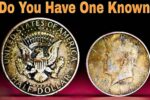
Identifying Valuable Coin Errors
Finding valuable coin errors requires attention to detail and a bit of patience. Start by examining coins carefully, using a magnifying glass or loupe to spot subtle anomalies. Compare your coin to standard designs and known error varieties. Look for unusual markings, doubled designs, missing elements, or misaligned edges. Reference books and online catalogs can help you identify coins that are known to command high prices.
Professional grading services are often essential for authenticating a coin and confirming the error. Coins that have been certified by recognized authorities are easier to sell and often fetch higher prices because collectors can trust their authenticity.

Why Coin Errors Capture Collectors’ Attention
Coin errors appeal to collectors for several reasons. They are rare, visually interesting, and tell a story about the minting process. Unlike standard coins, each error is unique, which creates a sense of exclusivity and excitement. Owning a coin error is like having a small piece of history that went slightly off script, making it more intriguing than a typical $1 coin.
Additionally, coin errors often have investment potential. Rare and certified errors can appreciate in value over time, especially those with historical significance or extremely limited production numbers. This combination of rarity, beauty, and potential profitability keeps collectors searching for the next big find.
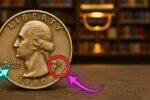
Preserving and Storing Error Coins
Proper care is crucial for maintaining the value of valuable coin errors. Avoid cleaning or polishing the coin, as this can damage its surface and reduce its market value. Store coins in protective holders, capsules, or acid-free flips to shield them from moisture, dust, and handling. Maintaining a detailed inventory of your collection, including purchase dates and prices, can also help track value over time and ensure your investment remains protected.
The Future of Million-Dollar Coin Errors
In 2026, interest in rare and error coins continues to grow. Auctions, online marketplaces, and coin shows provide opportunities for collectors and investors to discover and acquire rare pieces. Million-dollar coin errors are no longer just legends; they are tangible proof that even a small deviation from the norm can create immense value. As coin collecting remains popular, these unique coins will continue to capture attention and inspire collectors around the world.

Conclusion
Million-dollar coin errors are living proof that small mistakes can lead to extraordinary value. From double dies and off-center strikes to missing mint marks and misaligned edges, these $1 coins tell fascinating stories and command impressive prices. Collectors treasure them not only for their rarity and monetary potential but also for the historical significance and uniqueness they represent. By carefully examining your coins, learning about key error types, and preserving your finds, you may uncover hidden treasures that could be worth far more than you ever imagined.