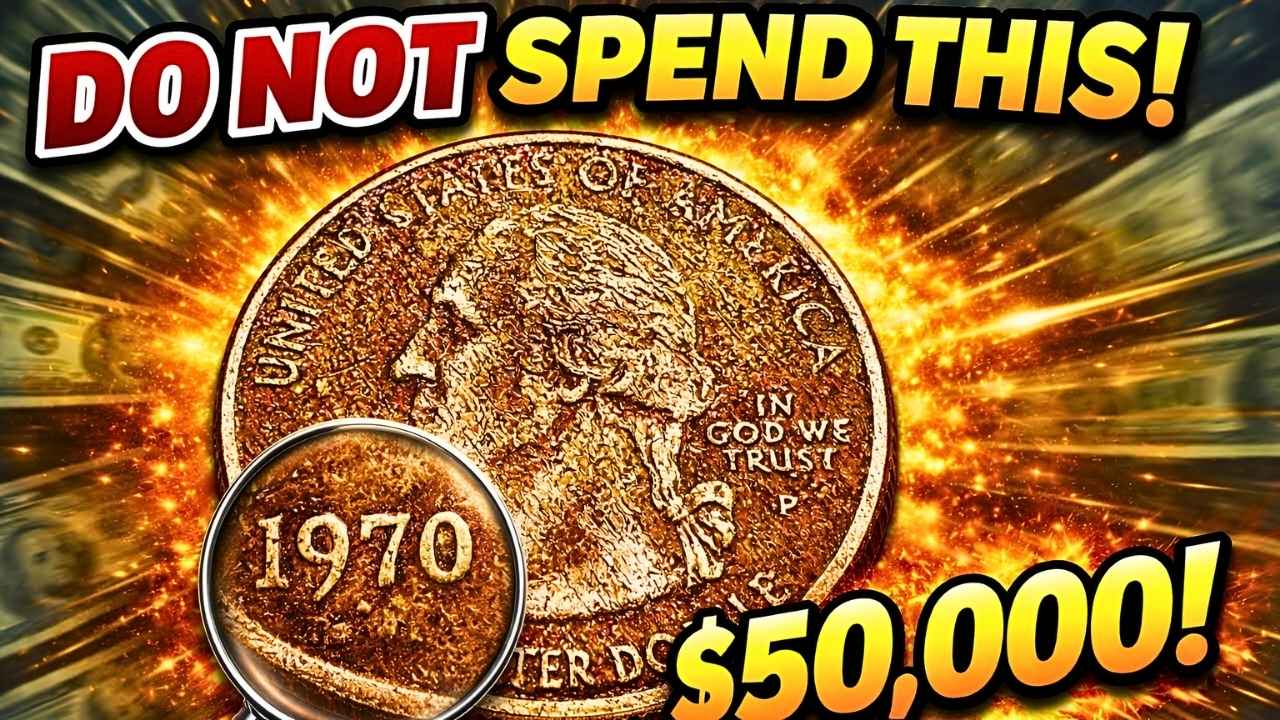
Rare State Quarters Worth Money: State quarters have been a staple of American coin collecting since the United States Mint launched the 50 State Quarters Program in 1999. For eight years, each state released a quarter with a unique design that celebrated its history, culture, or natural beauty. While most of these coins are worth just their face value, some rare state quarters can be surprisingly valuable. Collectors and investors have discovered that certain years, mint marks, and unique errors make these coins worth far more than 25 cents.
Why Some State Quarters Are Valuable
Not all state quarters are rare, but a combination of scarcity, condition, and minting errors can make a coin highly collectible. Coins with low mintage numbers, unusual production errors, or special variations are sought after by collectors. Additionally, coins that have been preserved in uncirculated condition or as part of a proof set are often worth significantly more than circulated examples.
Value is often influenced by the coin’s year, the mint that produced it, and any unique anomalies in its design. Coins from certain years or with specific mint marks are rare because fewer were produced, making them more desirable to collectors.
2004-D Wisconsin State Quarter
The 2004-D Wisconsin quarter is one of the most valuable state quarters due to a production error. Some coins from this series were struck with missing or incomplete details, particularly in the cow’s udders or the state outline. These subtle variations make the coin rare and collectible. In uncirculated condition, this quarter can fetch several hundred dollars or more, proving that even coins from the 2000s can be valuable if you know what to look for.
2005-P Minnesota State Quarter
The 2005-P Minnesota quarter is another example of a rare state quarter. Certain coins from this year were accidentally minted with double die errors on the lettering or the date. Double die errors occur when the coin is struck more than once, leaving a doubled impression that is highly visible under magnification. Collectors prize these quarters, and depending on the condition, they can sell for hundreds of dollars.
1999-D Delaware State Quarter
The first quarter in the state series, the 1999-D Delaware quarter, is notable for both its low mintage and collector interest. Early coins in the program were produced in smaller quantities compared to later issues. Coins from this series in uncirculated or proof condition can be worth hundreds of dollars. Collectors especially value coins with sharp detail and original luster.
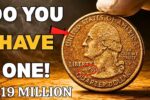
2000-P Massachusetts State Quarter
The 2000-P Massachusetts quarter has become increasingly collectible due to subtle design variations. Some coins from this year feature differences in the detailing of the Plymouth Rock and surrounding elements. Coins that clearly show these variations and are in excellent condition can attract collectors willing to pay hundreds of dollars. This demonstrates that even subtle differences in design can significantly affect a coin’s value.
2003-S Rhode Island State Quarter Proof
Proof coins from the state quarters series are struck with special dies to create a mirror-like finish. The 2003-S Rhode Island quarter proof is highly sought after because of its limited production and exceptional quality. Proof coins from San Francisco that remain in pristine condition can fetch several hundred dollars or more. Collectors prize these coins for their beauty, rarity, and historical significance.
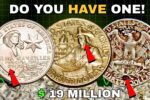
2001-P North Carolina State Quarter
The 2001-P North Carolina quarter is a rare find for collectors, particularly those in uncirculated condition. Certain coins from this year were struck with die variations or minor errors, making them stand out from the standard issue. Coins that display these features clearly and remain in excellent condition are worth far more than their face value, making them a must-check in any coin collection.
How to Identify Valuable State Quarters
Identifying valuable state quarters requires attention to detail. Start by checking the year and mint mark, which is usually located on the coin’s obverse. Coins from Denver (D), Philadelphia (P), and San Francisco (S) mints can vary greatly in value depending on rarity and production numbers. Look for subtle minting errors, doubled dies, missing details, or unusual features.

A magnifying glass or loupe can help detect these small differences. Reference guides, coin catalogs, and online resources can provide information on which coins are rare and valuable. For coins that appear unusual or rare, professional grading and certification can confirm their authenticity and increase their market value.
Storing and Preserving Rare State Quarters
Proper storage is essential for maintaining the value of rare state quarters. Avoid cleaning coins, as this can damage their surfaces and reduce value. Store coins in protective holders, capsules, or acid-free flips to prevent scratches, dust, and exposure to moisture. Keeping a detailed inventory of your collection, including purchase details, grading information, and condition notes, is also important for tracking value over time.

Coins preserved in excellent condition are more likely to retain and increase in value. For collectors, investing in proper storage is just as important as identifying rare coins.
Why Collecting State Quarters Is Rewarding
Collecting state quarters is more than just a hobby; it is a way to preserve history. Each coin tells a story about a state’s culture, history, or natural beauty. Finding a rare coin, especially one worth hundreds or thousands of dollars, can be an exciting and rewarding experience.
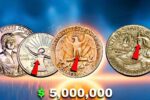
The 50 State Quarters Program also helped introduce new collectors to the hobby. Even coins from the 2000s can hold hidden value if you know what to look for. Collectors benefit not only from the potential monetary gain but also from the educational and historical aspects of each coin.
Conclusion
State quarters are more than just change; they are collectible pieces of history. Certain coins, such as the 2004-D Wisconsin quarter, 2005-P Minnesota quarter, and 2003-S Rhode Island proof, are worth far more than their face value due to rarity, minting errors, or limited production. By examining your coin collection carefully, paying attention to mint marks and condition, and properly preserving your coins, you may uncover hidden treasures. In 2026, rare state quarters continue to attract collectors and investors, making it a perfect time to review your collection and avoid spending valuable coins.