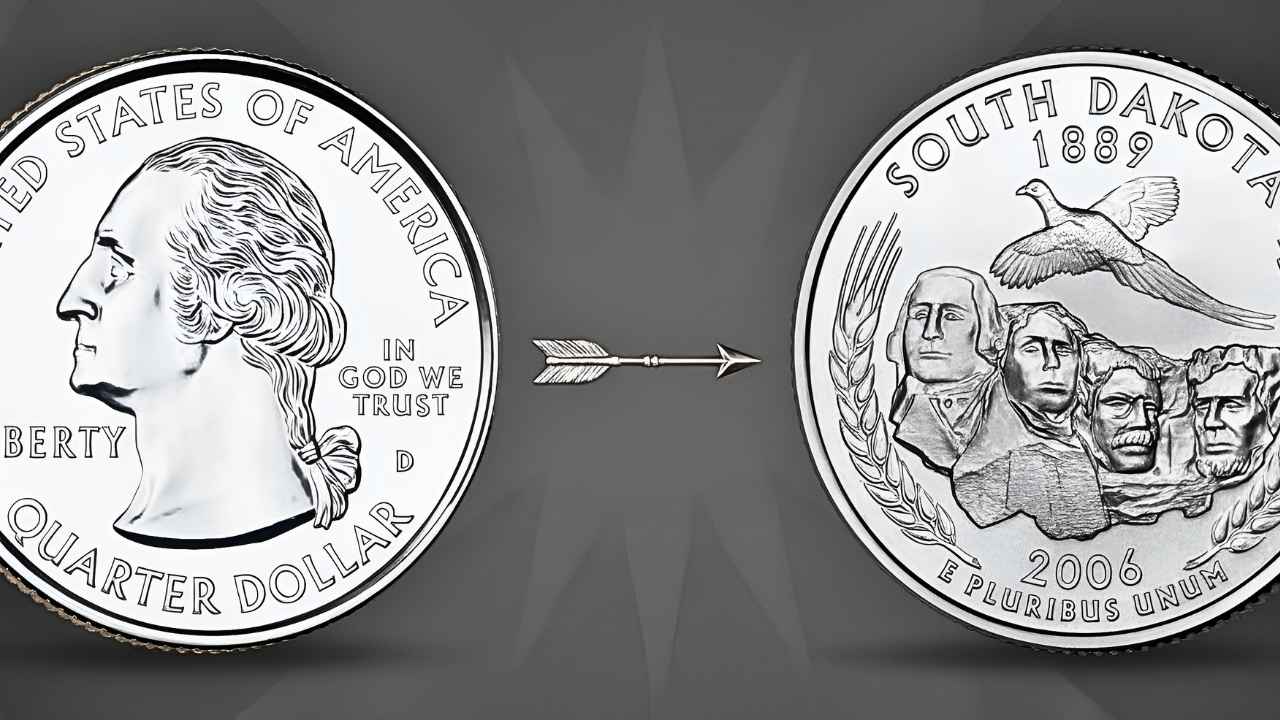
State Quarters Collection: In 1999, the United States Mint launched one of the most ambitious coin programs in American history: the 50 State Quarters Program. Over a ten-year period, each state was honored with its own unique quarter design, released in the order that the states joined the Union. This program was not only a celebration of American heritage but also a way to engage the public in coin collecting. By the time the final quarter was issued in 2008, millions of people had participated in the journey across all 50 states.
Why the State Quarters Became So Popular
The State Quarters Program captured the imagination of the nation. For many, it was the first time they paid close attention to the designs on everyday coins. Children, families, and seasoned collectors alike began searching through their pocket change to find new releases. The program turned coin collecting into a mainstream hobby, sparking conversations about history, culture, and the unique identity of each state.
Unique Designs That Tell Stories
Each state quarter design tells a story about its history, culture, or natural beauty. Some highlight landmarks, while others feature notable figures or symbols. For example, the New York quarter depicts the Statue of Liberty, while the California quarter honors naturalist John Muir and Yosemite’s Half Dome. The Alaska quarter showcases a grizzly bear with a salmon, symbolizing the state’s wildlife and rugged landscape. These designs transformed ordinary coins into miniature works of art.
Collecting State Quarters
Collecting State Quarters became a national pastime. The Mint released five new quarters each year, and collectors eagerly awaited each design. Many people used maps or special folders to track their progress, filling in slots as they found new coins. Some collected from circulation, while others purchased proof sets directly from the Mint. The excitement of completing a full set of 50 quarters created a sense of accomplishment and connection to the nation’s diverse heritage.
Rare Varieties and Errors
While most State Quarters are common, certain varieties and minting errors have become valuable. Coins struck with doubled dies, off-center designs, or unusual planchets are highly prized by collectors. Some quarters were produced in limited numbers, especially proof versions struck in silver. These rarities add an extra layer of intrigue to the collection, reminding collectors that even in a mass-produced program, unique treasures can be found.
Educational Value of the Program
The State Quarters Program was more than just a coin series. It served as an educational tool, teaching millions of Americans about the history and culture of each state. Teachers used the quarters in classrooms to spark discussions about geography and civics. Families learned about the states together as they collected coins. The program fostered a deeper appreciation for the diversity and unity of the United States.

The Impact on Coin Collecting
The State Quarters Program revitalized coin collecting in America. Before its launch, the hobby was often seen as niche or reserved for specialists. With the introduction of state designs, coin collecting became accessible to everyone. The program created a new generation of collectors, many of whom went on to explore other areas of numismatics. It also demonstrated the power of design in making coins meaningful beyond their monetary value.
Completing the Journey Across All 50 States
Completing a full set of State Quarters is a rewarding experience. Each coin represents a piece of the nation’s story, and together they form a mosaic of American identity. From Delaware, the first state honored in 1999, to Hawaii, the final state in 2008, the collection reflects the diversity and unity of the country. Holding all 50 quarters is like holding a miniature history book in your hands.
The Legacy of the State Quarters Program
The success of the State Quarters Program inspired future coin initiatives, including the America the Beautiful Quarters series, which highlighted national parks and historic sites. The legacy of the program lives on in the millions of collections preserved by families and individuals. It showed that coins could be more than currency; they could be storytellers, educators, and symbols of pride.
Conclusion
The State Quarters Collection is a journey across all 50 states, a celebration of history, culture, and unity. From the Statue of Liberty to the grizzly bear, each design tells a unique story. The program transformed coin collecting into a national pastime, inspired millions to learn about their country, and left a lasting legacy in American numismatics. Whether you are a seasoned collector or someone who remembers filling a map with quarters as a child, the State Quarters remain a cherished reminder of the nation’s shared journey.